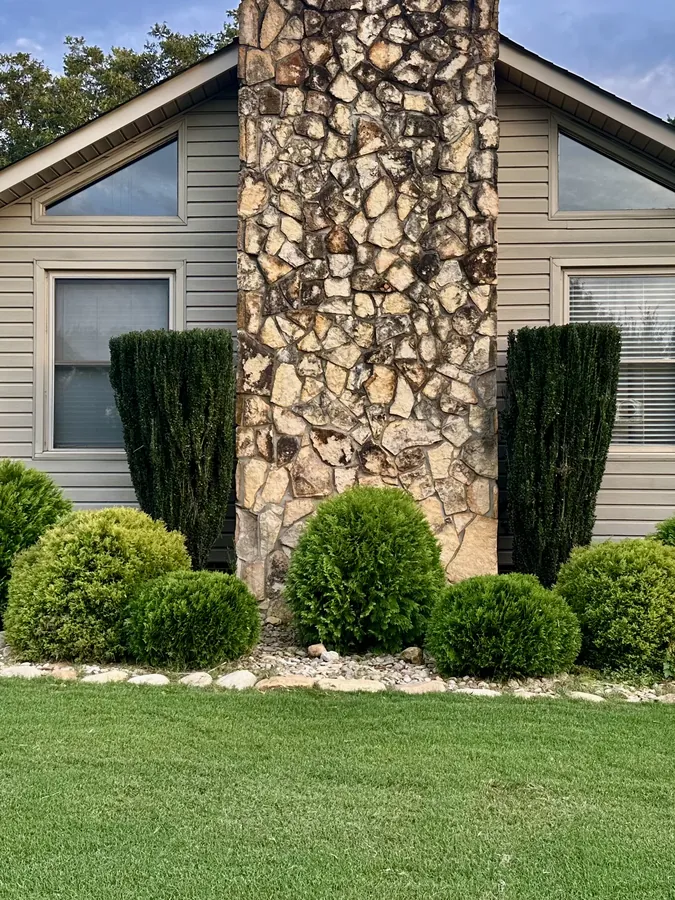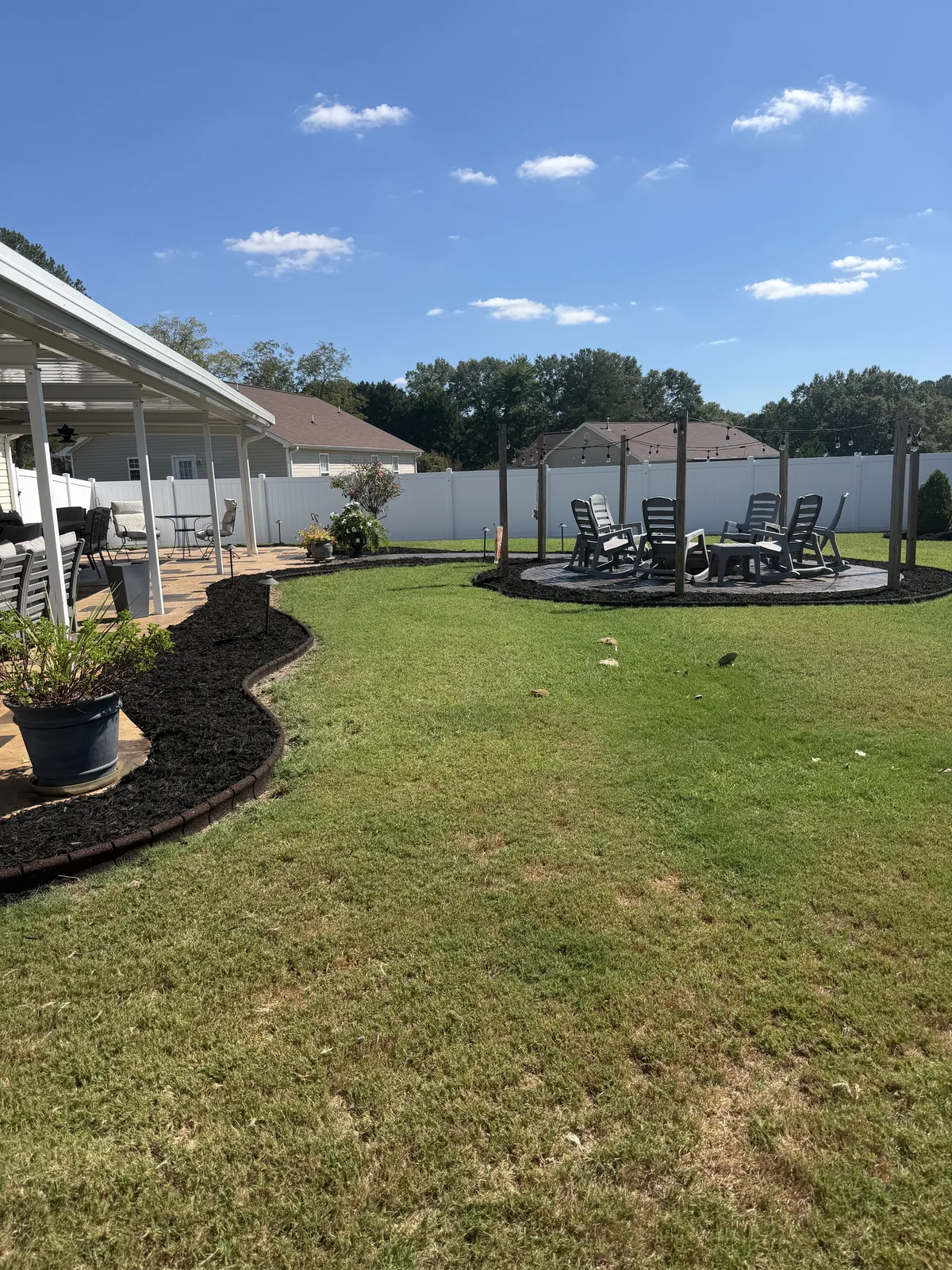
Shrubs and hedges trimmed at the right time of year, and yards cleared of leaves, limbs and overgrowth.
Get a free estimateTell us your number and we will call you back.
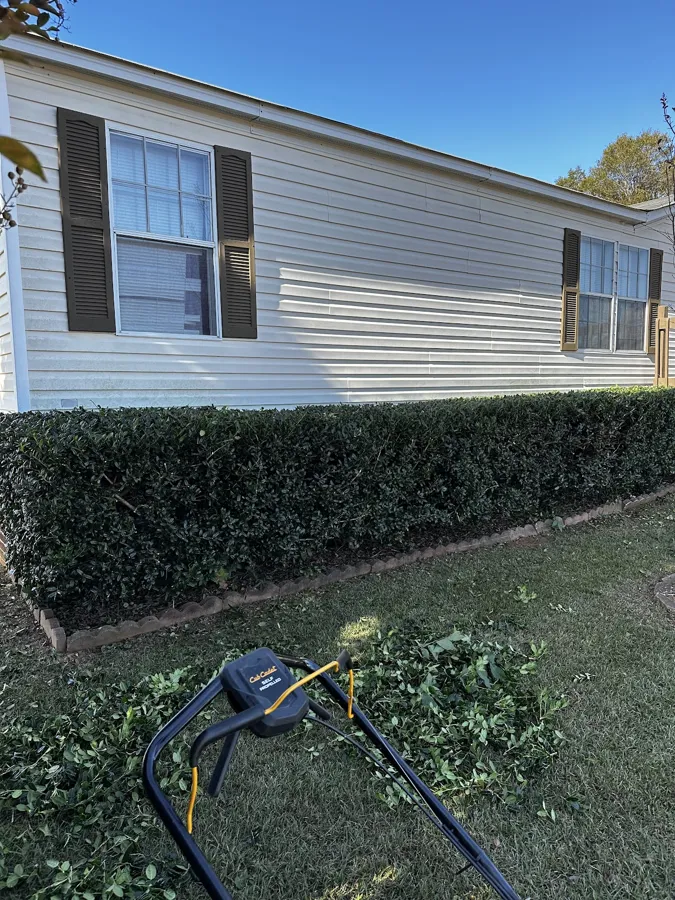
When a shrub gets trimmed matters as much as how. Clemson Extension's pruning guide splits flowering shrubs into two groups. Spring bloomers such as azalea, forsythia and bigleaf hydrangea flower on last season's growth, so they are pruned right after they bloom, or next year's flowers get cut off. Summer bloomers such as crapemyrtle, butterfly-bush and rose-of-Sharon flower on new growth and are pruned before spring growth starts. Clemson also warns that pruning in late fall or midwinter can push out new growth that the cold then damages.
Hedges follow their own rules. Clemson says to trim a hedge so the base is wider than the top, because a narrow base lets the top shade out the lower branches until they thin and go bare. For boxwood, Clemson's guide names early June for shearing and says not to shear after mid-August, so new growth can harden off before frost. Shearing alone has a cost too. A Clemson horticulturist writes that years of it leave a dense outer shell of leaves over a bare interior, so we mix in thinning cuts that let light reach the middle.
Cleanups handle everything else that piles up. In fall that means leaves, which Clemson says can smother a lawn if they are left lying on it, along with sticks and limbs that come down in the wind. In spring it means dead winter growth, beds that have gotten away from you, and shrubs spreading into the walk. If you were planning to burn the pile, check first: outside town and city limits, state law says you must notify the SC Forestry Commission before burning leaves and limbs. We clear the debris so you are not left with a pile.
It depends on the shrub. Clemson Extension says to prune spring bloomers like azaleas just after they flower and summer bloomers like crapemyrtle before spring growth begins. Formal hedges get clipped while the new growth is still green and soft. Clemson advises against pruning in late fall or midwinter, when fresh growth can be hurt by the cold.
Usually because the top has gotten wider than the base. Clemson Extension explains that when a hedge narrows toward the ground, the top shades the lower branches and they drop their leaves. We trim with a wider base so light reaches all the way down. A hedge that has already gone bare takes more than one trim to fill back in.
It depends on the yard and the season. A cleanup can mean clearing leaves from the lawn and beds, picking up fallen limbs and sticks, cutting back overgrowth, trimming shrubs that have outgrown their space and re-cutting bed edges. The debris gets hauled away or mulched, your choice. Call (864) 540-5167, tell us what the yard looks like, and we will come take a look.
It depends on the size of the yard and what it needs, so we come out and give you a straight quote first. Our customers call our prices competitive and affordable.
Ralph. Customers call him hardworking and a genuinely nice guy, and he's easy to reach whenever you need something.
Anderson and the towns around it: Centerville, Homeland Park, Pendleton, Clemson, Townville, Powdersville, Williamston, Belton, Starr and Iva. Not sure if you're in range? Just give us a call at (864) 540-5167.
Your call. We haul it away, or we mulch it back into the yard, whichever you prefer. Just tell us when we set up the job.
All three. We spread dark mulch, lay pine straw on slopes and around trees, and build river rock beds along walkways and under carports. You can see each of them in our photos.
Yes. We till the bed, dig the holes and set the plants in, right down to your flowers. Tell us what you have when you call and we will plan where it all goes.